

How to Know When Your Pouch Filling Line Is Ready for Automation
A practical DolcePack guide for reading the signs before labor, quality, changeover, or cleaning time starts limiting your growth.
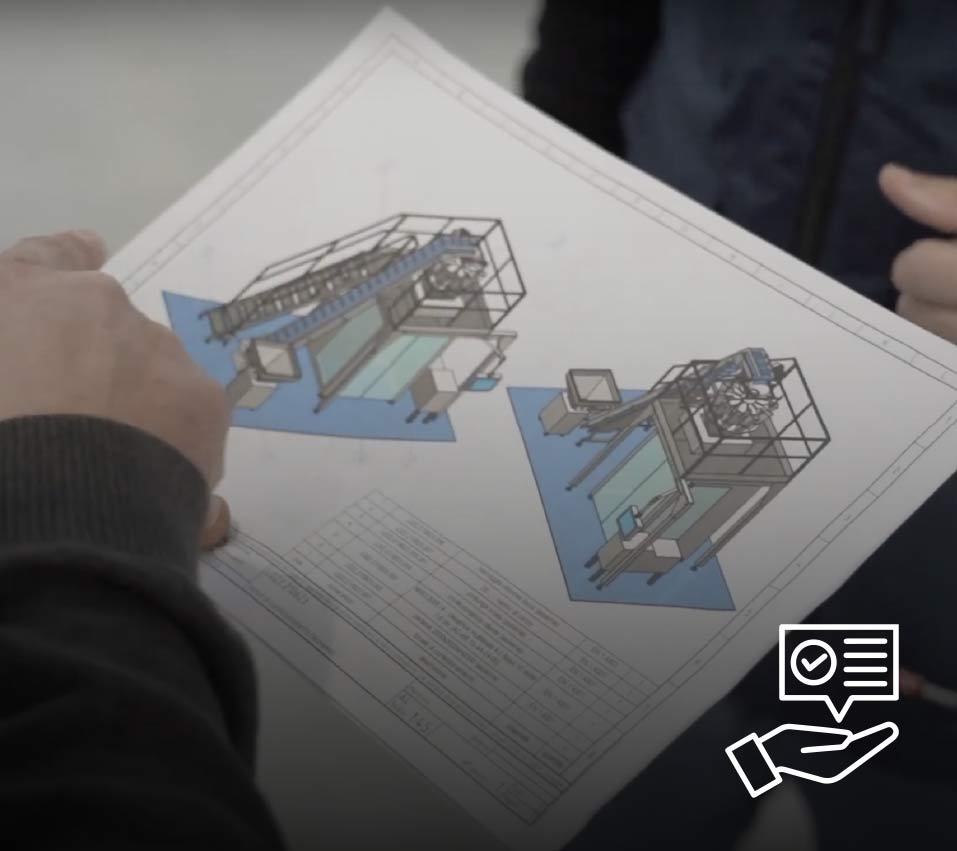
At first, the signs look small. One operator is missing, and the line slows down. A seal issue appears at the end of the shift. A new pouch format takes longer than expected. Then, little by little, the line starts asking for a different kind of support.
This is where many producers hesitate. They wonder if it is too early to automate. They worry about CapEx, space, and ROI. And those are the right questions to ask.
At DolcePack, we never believe in automation for the sake of automation. A packaging line should be built around your production reality: your product, your volumes, your available space, your team, and the return you need to see.
of companies described labor shortages as extremely impactful on packaging and processing operations, according to PMMI.
of surveyed CPG respondents expected to add automation equipment, cobots, or robotics, according to Packaging World.
The first sign is often labor pressure. Manual pouch filling can work beautifully at low volumes, especially when the team is experienced. But when production depends too much on a few skilled people, the line becomes vulnerable.
Automation does not always mean replacing people. Very often, it means putting people where they create more value. Instead of repetitive filling, loading, or checking, your team can focus on quality, supervision, maintenance, and improvement.
The signs are usually practical
The second sign is inconsistency. If you are seeing regular fill-weight variation, rework, seal defects, or product in the seal area, the issue may not be effort. It may be repeatability. Faster hands will not solve a process that needs better control.
The third sign is changeover friction. Pre-made pouches are growing because they give brands flexibility: new formats, seasonal products, different sizes, and faster launches. But flexibility on the shelf can create complexity on the line. If every new pouch format creates downtime, adjustments, and uncertainty, it may be time to rethink the system.
| If you see this often | It may be time to review automation |
|---|---|
| Operators constantly adjusting fills | The dosing and pouch handling may need more control. |
| Seal defects or leakers | The pouch, product, and sealing process may not be working together. |
| Output drops when one person is absent | The process depends too heavily on individual experience. |
| New formats slow the schedule | The line may need more flexible changeover. |
| Cleaning takes longer than planned | The equipment may not fit your hygiene needs. |
That is when the conversation becomes exciting. We can look at the product, the pouch, the dosing system, the seal, the available space, and the real production targets. Then we design the next step around what the business actually needs.
Custom does not always mean complicated. It means right.
Ready to review your line?
If your pouch filling line is starting to feel stretched by labor, quality, changeover, or cleaning time, let’s look at it together. DolcePack can help you understand whether automation is the right next step for your production reality.